Fundamental of the Metallic Magnetic Liner
![]()
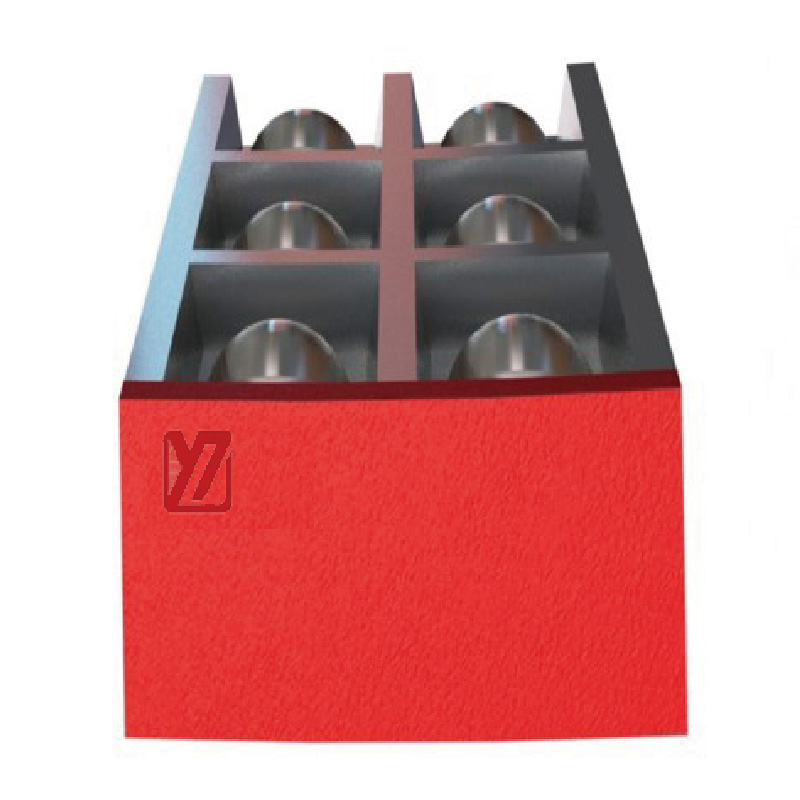
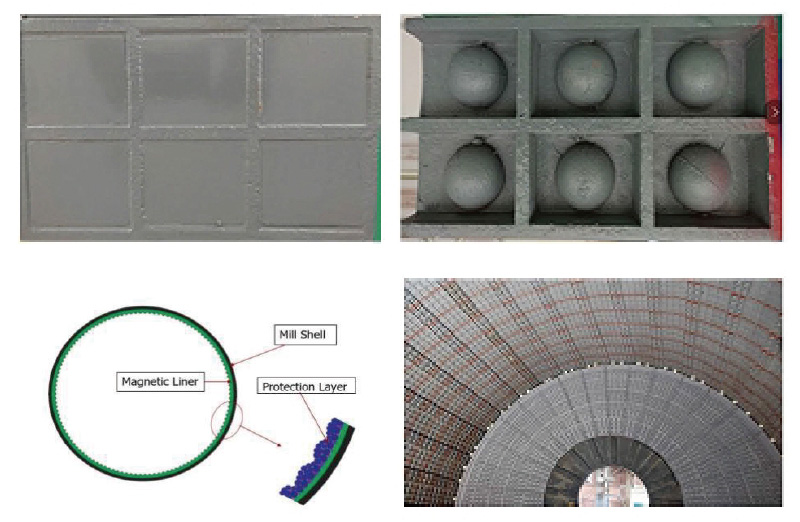
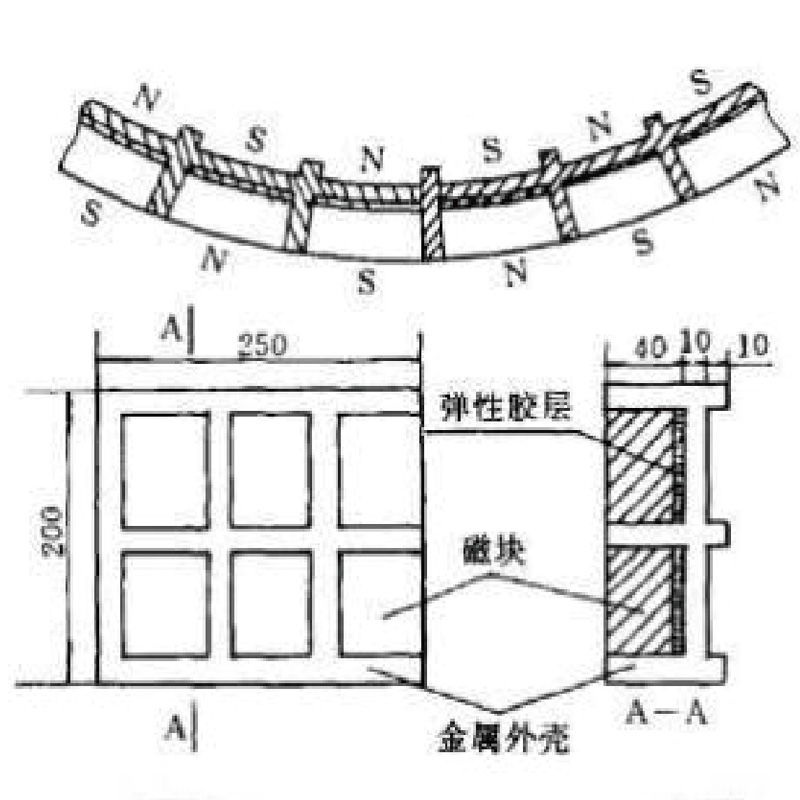
- Metal magnetic liners are primarily composed of magneticmaterials and a metallic housing used to protect the magnet-ic components.
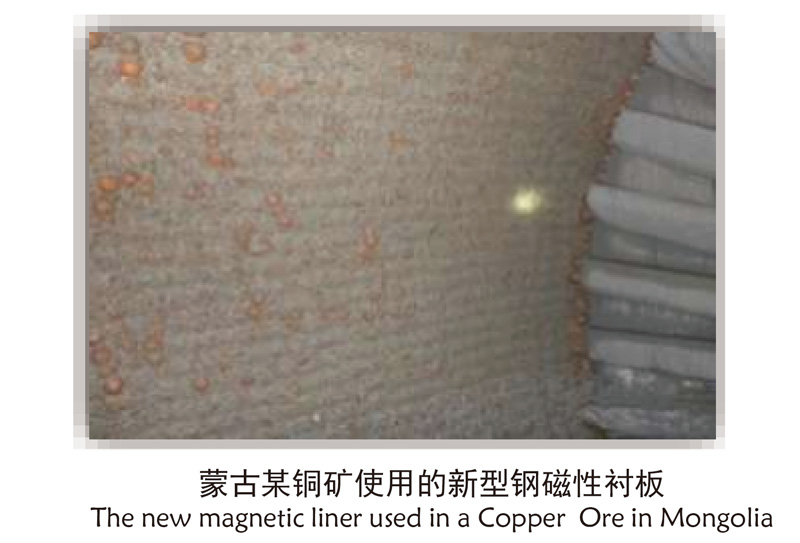
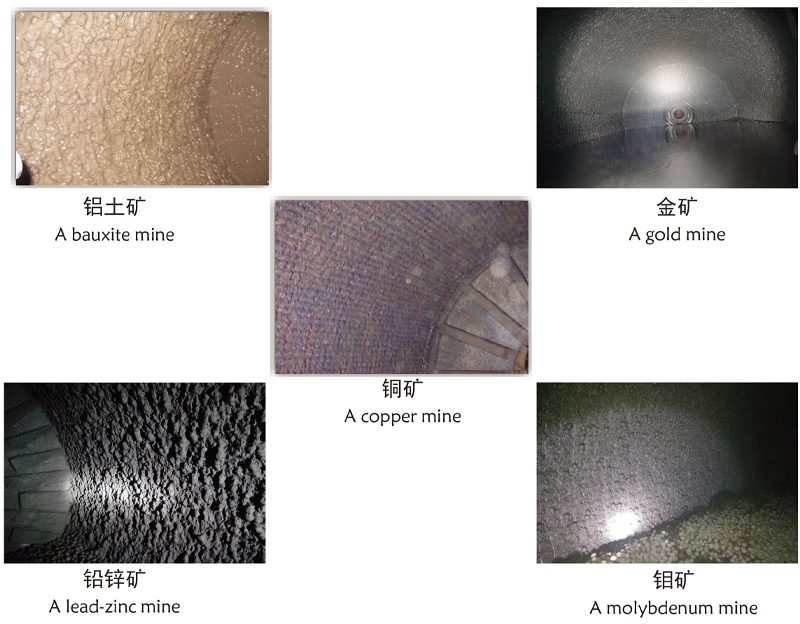
- During installation, the liner is secured to the inner wall ofthe mill through magnetic attraction. During mill operation,with a properly designed magnetic circuit, the liner surfaceforms a dynamic protective layer composed of fine brokenmedia and ferromagnetic minerals. This layer prevents directimpact and wear from grinding media and material on theliner surface, thereby achieving the purpose of extendingservice life.
Advantages of the YT Metal Magnetic Liner
![]()
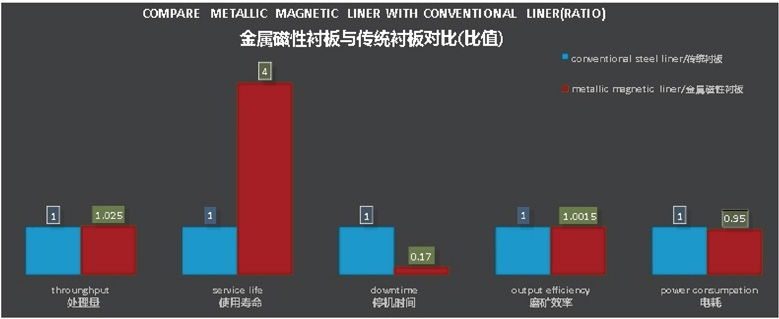
- Long service life, 4 - 6 times that of traditionalrubber or steel liners;
- Lightweight single plates (total¥weight reduced by at least 30% compared with steliners) and thinner profile;
- Easyinstallation, reducing labor intensity for workers;
- Safe and environmentally friendly;
- Low grinding media consumption;
- No slurry leakage;
![]()
![]()
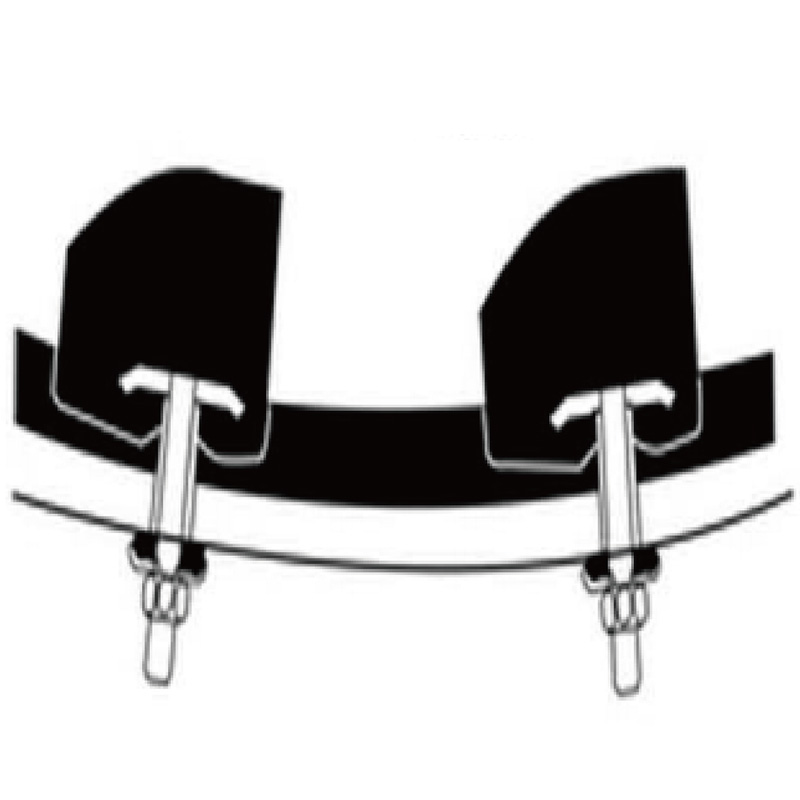
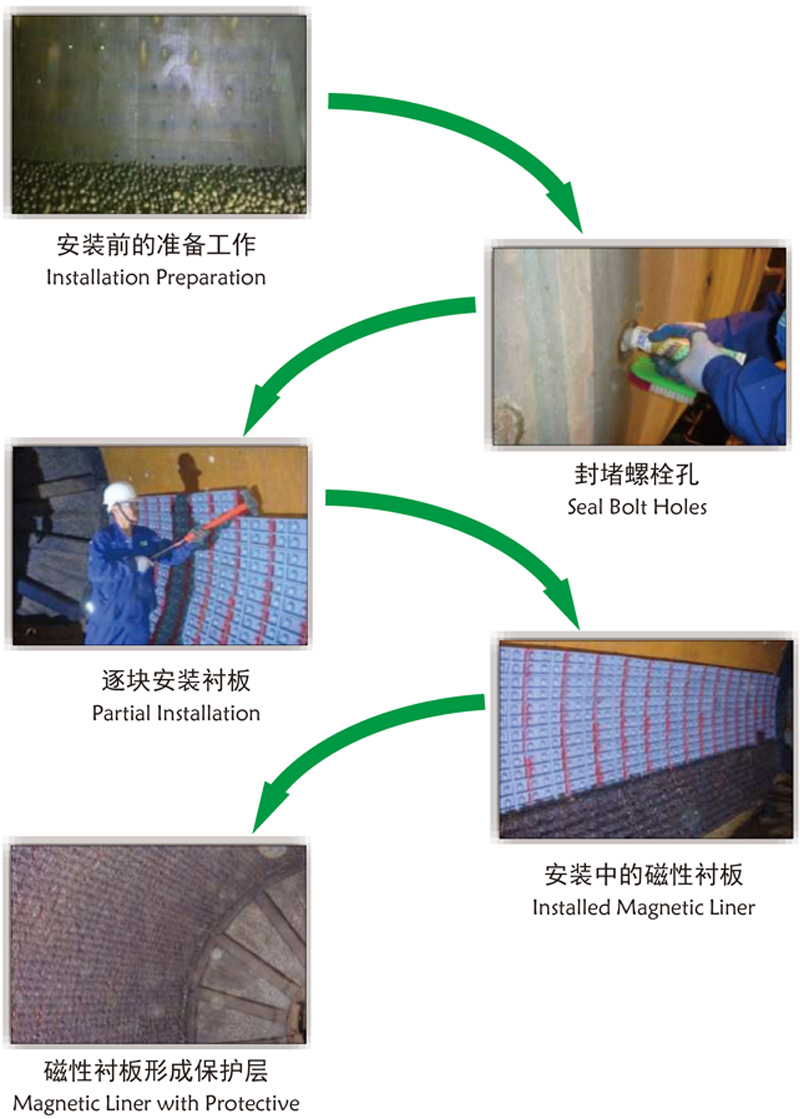
Compared with traditional liners, magnetic linersdo not require bolt fastening during installation,which not only reduces bolt-related costs but alsoprevents slurry leakage inside the mill. Whileensuring a clean and tidy on-site environment,this design also avoids slurry circulation betweenthe mill and the liner caused by loose bolt holes,thereby protecting the inner wall of the mill.
During mill operation, the collisionbetween the material, grinding media, and theliner protective layer is a rigid-body met-al-to-metal impact. As a result, grinding efficiencyis also improved to a certain extent comparedwith rubber liners.
Properties of the Metallic Magnetic Liner
![]()
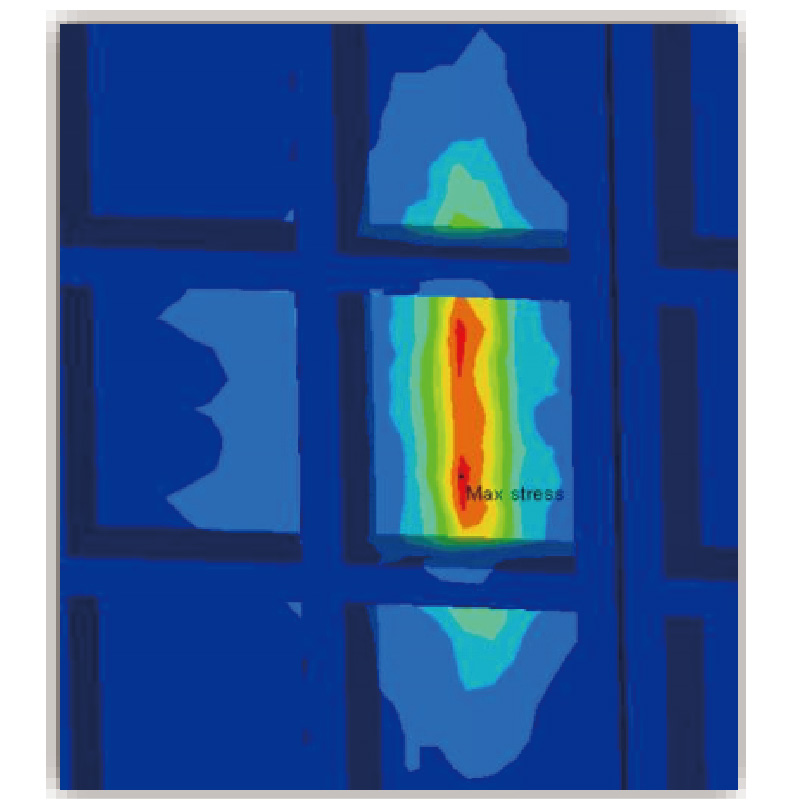
Simulation data based on real operating conditionsshows that the dynamic protective layer can reducethe impact force between the material and the linerby more than 75%.
![]()
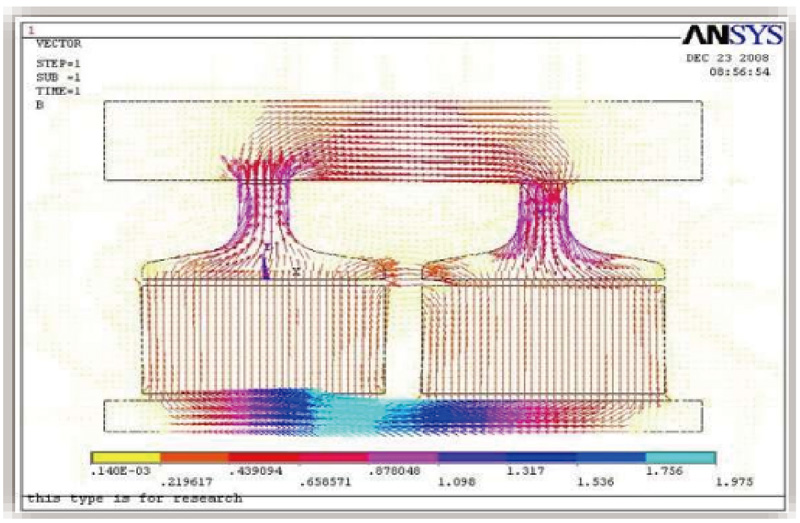
A well-designed magnetic field and optimized metalmaterial composition ensure the closure of the mag-netic induction circuit. The surface of the protectivelayer is free of residual magnetism, preventing thematerial from being magnetized and forming mag-netic agglomeration.
![]()
![]()
The Comparison of Physical Property of the New Magnetic Liner Used In Non-ferrous Metal Mines
| CommonMetallic Magnetic Liner | New Magnetic Liner |
|---|
| Initial hardness of metal shell | 190-220HB | ≥43HRC |
| Initial hardness of embedded cast ball | ≥52HRC | ≥52HRC |
| Relative permeability | ≤1.052 | ≤1.005 |
![]()
The Magnetic Liner Installation
![]()